
KD Epoxy Floor
Slip-Resistant Flooring Systems in South Florida
KD Epoxy Floor installs slip-resistant flooring systems across South Florida for wet and high-risk areas — pool decks, kitchens, ramps, and industrial floors where traction is a safety requirement, not a luxury. We add aggregate to an epoxy or polyurethane topcoat and tune the texture from subtle to aggressive based on the environment.
Slip resistance is a balance: more grip means more texture, which can hold more dirt. We help you choose the right aggregate size for the use so you get the safety without making the floor impossible to clean. We come to your property to assess the space and send a custom estimate — share your city or ZIP and we'll confirm availability.
Common applications
- Pool decks
- Kitchens
- Ramps
- Industrial floors
Key benefits
- Improved wet-traction safety
- Customizable texture
- Can combine with flake or solid color
- Seamless and cleanable
What slip-resistant flooring includes
A slip-resistant system is an epoxy or polyurethane coating with aggregate added to the topcoat. The aggregate is what provides the grip — the size and density of the aggregate sets the texture, from a subtle grit that barely reads to an aggressive non-slip surface for ramps and wet areas.
Because it is a coating system, it is seamless and cleanable, and it can combine with a flake or solid color finish so you do not have to choose between the look and the traction.
Who it is suitable for
Pool decks, kitchens, ramps, and industrial floors — anywhere water, grease, or barefoot traffic makes a slick surface a risk. In South Florida, pool decks and patios are the most common residential applications; commercial kitchens and ramps are the most common commercial ones.
We assess the actual slip risk before specifying the texture. A pool deck with barefoot traffic needs a different texture than a commercial kitchen with grease.
Texture levels and how to choose
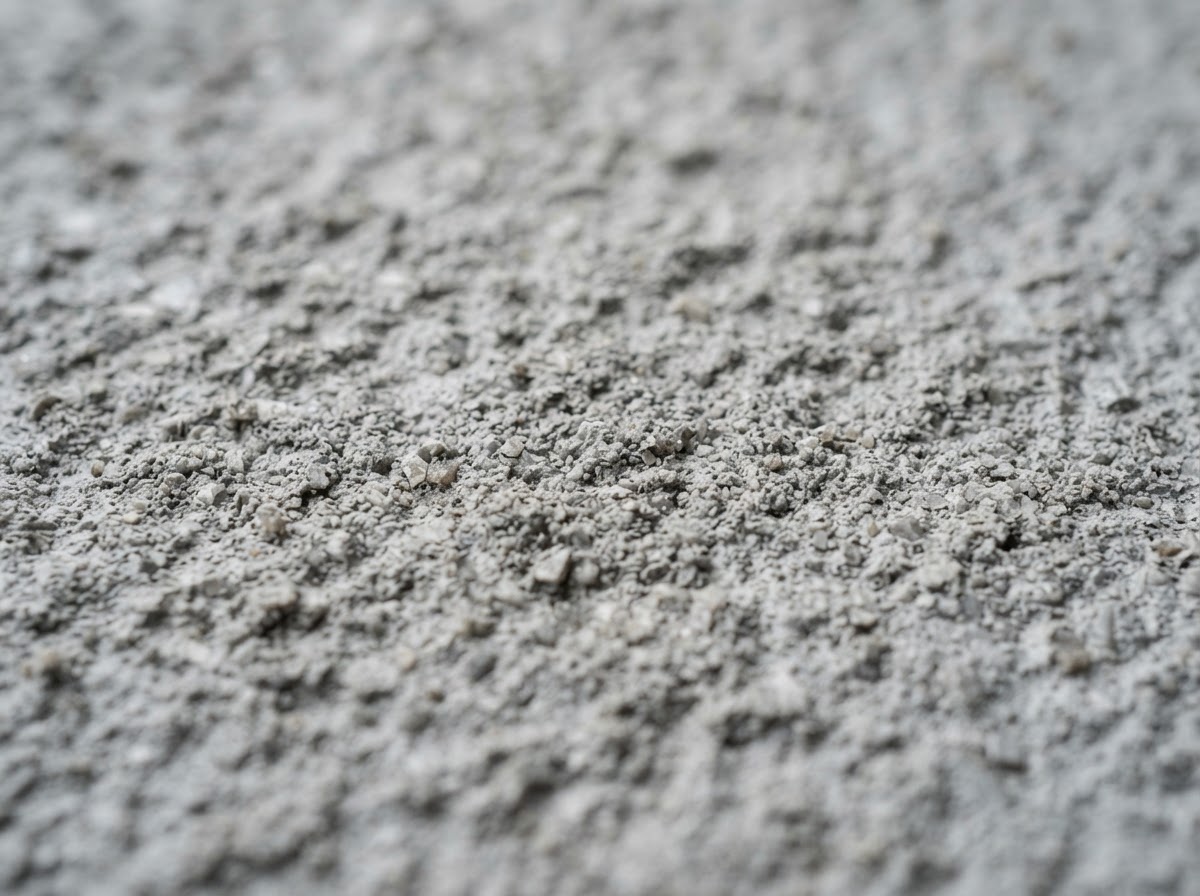
Fine aggregate adds subtle grip that barely changes the look. Medium adds visible texture for wet areas. Coarse delivers aggressive non-slip performance for ramps and industrial floors. We tune the choice to the use and the cleaning routine.
More texture means more traction but more dirt retention. We help you find the balance so the floor is safe and still maintainable.
Texture at a glance
- Fine — subtle grip, easy to clean
- Medium — visible texture for wet areas
- Coarse — aggressive non-slip for ramps
- Combined with flake or solid color for the look
Preparation and what to expect
We profile the surface, apply the basecoat with the chosen aggregate, and seal with a compatible topcoat. The aggregate is integrated into the system, not sprinkled on top, so it stays put under traffic.
Expect a cure window before the floor takes full use. Cleaning changes with texture — a brush handles the textured areas that a mop alone might miss.
Pairing slip resistance with other finishes
Slip resistance can combine with decorative flake or solid color so the floor looks finished, not industrial. For pool decks, that means a textured surface that still reads as a designed patio. For commercial kitchens, it means a safe floor that still cleans up like a coating should. See our patio and pool area coatings for the outdoor residential version.
Maintenance and restoring traction
Brush clean the textured areas a mop alone might miss, mop with a neutral cleaner, and recoat when the texture wears. A recoat restores the grip as well as the look, which is why a maintenance schedule matters for a slip-resistant floor that gets daily wet traffic.
For South Florida pool decks, that means a surface that stays safe season after season rather than getting slicker as the topcoat wears. We can set a recoat schedule based on the use.
Slip resistance for South Florida wet areas
South Florida homes and businesses have more wet surface exposure than most markets — pool decks, lanais, screened patios, and entryways all see water and barefoot traffic for most of the year. A standard smooth coating is a slip risk in those spaces, which is why we treat slip resistance as a safety specification, not a cosmetic add-on. We assess the actual wet exposure and tune the aggregate to match it.
For commercial kitchens and food prep areas, the same logic applies with grease in the mix. A texture that handles pool water is not the same as one that handles cooking oil, and we specify the aggregate and the topcoat for the actual contaminant the floor will see. The right texture keeps a space safe and still cleanable; the wrong one is either a hazard or impossible to keep clean.
Balancing grip and cleanability
The central trade-off in a slip-resistant floor is grip versus cleanability. A coarse aggregate gives the most traction but holds the most dirt; a fine aggregate is easy to mop but adds less grip. Most spaces land somewhere in the middle, and we help you find the balance that keeps the floor safe without making it a chore to maintain.
For a residential pool deck, a medium texture is usually right — enough grip for wet bare feet, still brushable. For a commercial ramp, a coarser aggregate may be warranted. We walk you through the options with samples so you can feel the texture before we install it, because the right choice is one you can live with as well as walk on safely.
How the process works
Surface profiling and the right aggregate size for the use case.
- 01Assess slip risk and use
- 02Profile the surface
- 03Apply basecoat with aggregate
- 04Seal with a compatible topcoat
Cost factors
- Aggregate size
- Square footage
- Substrate condition
Care & aftercare
- Brush clean
- Mop with neutral cleaner
- Recoat when worn
Frequently asked questions
Coarser textures hold more dirt. We balance texture and cleanability for your space, and a brush handles the textured areas. The trade-off is traction versus ease of cleaning.
Request slip-resistant flooring systems
Tell us about your project and we'll check whether we cover your exact address, walk you through finish options, and send a custom estimate. We come to your property — share your city or ZIP and we'll take it from there.